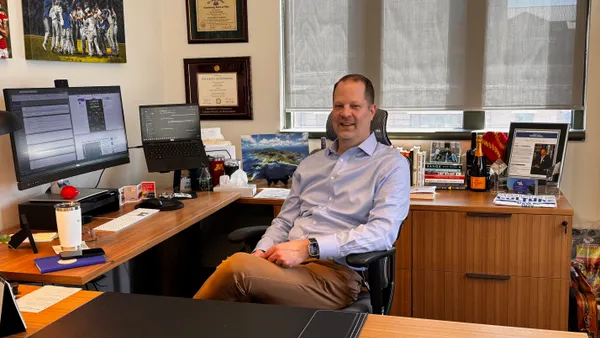
Welcome to The 6 a.m. CFO, where finance chiefs share how they jump-start their days and engage with the tasks that are in front of them.
Today, Fundrise’s CFO, Alison Staloch, shares her morning routine.
Be sure to check out the entire 6 a.m. CFO series, and if you’d like to be featured in a future post, please email us here.

Fundrise
- Real estate investment firm
- Year founded: 2012
- Number of employees: 200
- Revenue: AUM growth is 7% ($2.9B PY to $3.1B CY)
MORNING ROUTINE
Weekday wake-up time: Around 7 a.m. As I’ve gotten older, I’ve become protective of sleep after seeing firsthand how much it affects clarity, mood and ultimately judgment, all critical in a leadership role.
Morning beverage choice: Water. Caffeine makes me jittery, so I’ve learned to live without it. If I’m sleeping well, my energy is steady enough on its own.

Non-work-related morning activities: I try to get outside and move a little before I look at a screen, either to the gym or for a walk around the neighborhood. Even a short buffer between sleep and work, or scrolling through headlines, helps me stay centered and focused.
Workday start time: Work tends to start infiltrating my brain by 8 a.m., whether I formally open my laptop at that time or not. Slack messages, one-off calls or catching up on overnight activity from external partners and distributed team members usually pull me in.
How I usually spend the first hour of my day: If I have space, I look at two things: the broader news cycle and what is shaping sentiment, and our internal fundraising reporting. In private markets, particularly when you’re serving individual investors, behavior reveals a great deal about confidence and trust.
But sometimes, the first hour is simply catch-up. As part of a regulated platform with multiple registrants, there are almost always filings, financials or board materials to review.
While I prefer a strategic start to the day, ensuring the fundamentals are sound often takes priority.
When I send out my first email: Slack > email as much as possible, so ideally not until the afternoon. Sometimes I schedule messages to send at 8 a.m. when I know most of my team gets their day started.
I do not always succeed, but I try to minimize my own use of email and batch review incomings. Constant responsiveness feels productive, but it fragments thinking and quietly hands control of your priorities to someone else. It can consume hours if you let it.
Best advice for writing an effective email: Be concise above all else. But more importantly, make sure it’s even the right channel for your message. Most misalignment isn’t about a poorly written email; it’s about choosing the wrong medium in the first place.
First dashboard I review: Fundraising flows. In our business, trust matters above all else. Watching investor behavior in real time gives you a clear sense of where you stand.
How I structure my morning meetings: I front-load one-on-ones in the morning hours, when I have the most energy for engagement. The human part of leadership is not something I want to squeeze into the margins. We are largely remote, without hallway interaction, so intentional conversations matter.
Mid-morning snack of choice: A blood-sugar balancing smoothie. Protein, healthy fats, low sugar. I track recovery and sleep data through Whoop, and over time, I’ve noticed how closely decision-making, recovery and stable blood sugar travel together.
What was a recent morning that didn’t go as planned, and how did you adjust? I woke up to every direct flight to D.C. being canceled due to storms. Normally, I would roll with the punches and get there when disruptions calmed down, but I had a meeting with our regulator the next morning that I could not miss, along with a virtual audit committee and board meeting stacked that day, which limited when I could be in the air.
After recalibrating, I rebooked multiple unfamiliar routes to make sure I would get there one way or another. Planning matters, but the most important part of any plan is building room for it to go off script. That morning was a practical reminder.
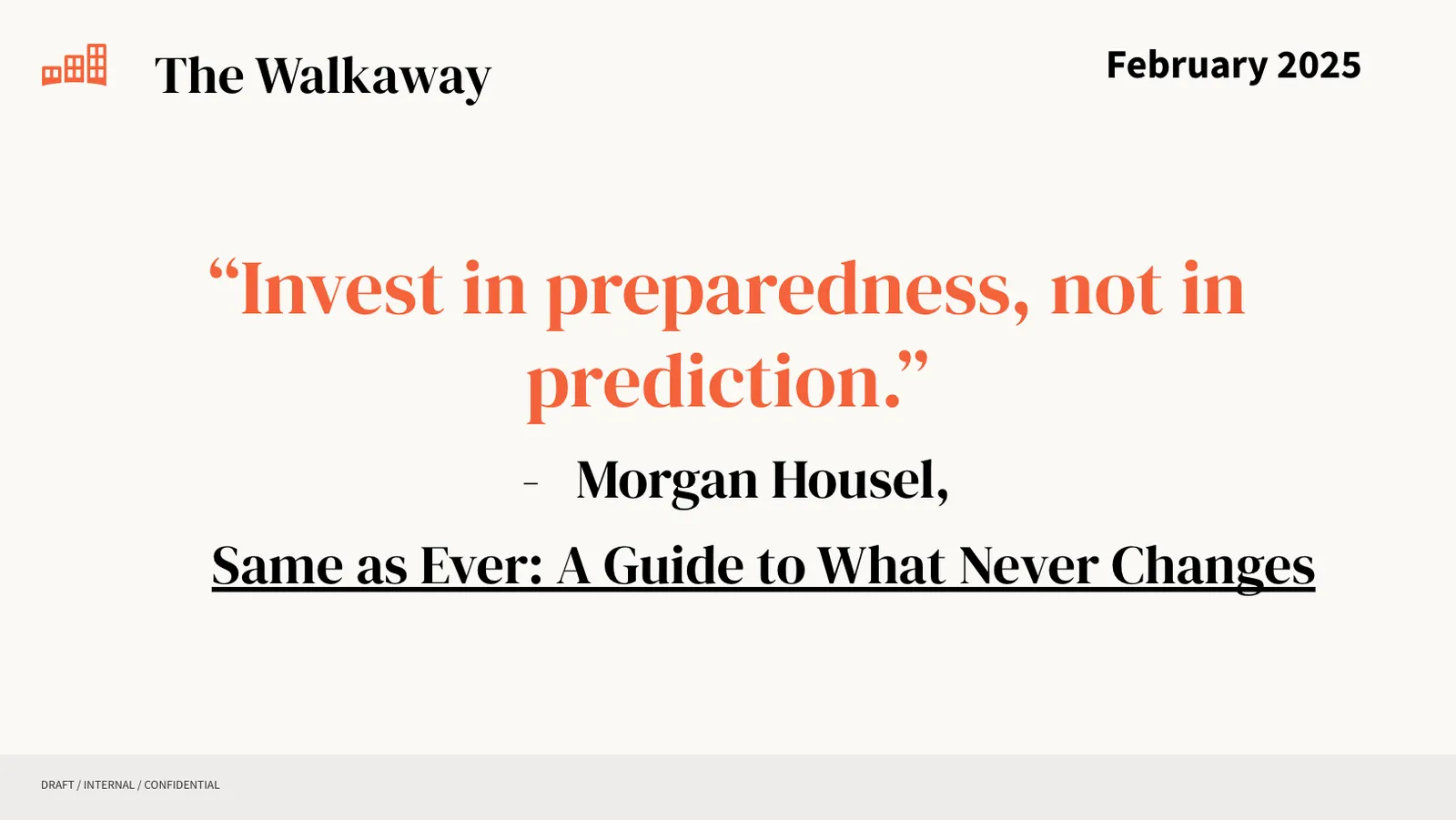
Something important to know about me that you wouldn’t know from my business bio: I end every monthly finance all-hands meeting with what I call a “walkaway”, loosely inspired by the closing reflections I heard in church growing up. It’s a quote from something I am reading or listening to, often from a business book, sometimes from a shareholder letter, a book on psychology or a thought-provoking tweet.
I use it to leave the team, and myself, with something reflective, usually tied to a mindset shift that feels relevant in that moment. A small shift in perspective can change how you approach the work.
One recurring theme has been that tolerance for uncertainty is one of the most valuable traits on a team. In private markets, in venture investing and especially in emerging technologies like artificial intelligence, uncertainty is constant. You cannot eliminate it, so you must get more comfortable operating within it.
INSPIRATION AND LEADERSHIP
Favorite quote or mantra: Evolve or repeat. Markets evolve. Technology evolves. Regulation evolves. If you are not learning and adjusting, you end up repeating mistakes on a larger scale. I’ve seen that from multiple vantage points, first in oversight roles as an auditor and regulator, and now in a seat responsible for execution.
Favorite leadership lesson: Early in my time at the SEC, a mentor emphasized how deeply your behavior affects others, and how the way you show up matters as much as what you say.
In high-stakes environments, especially regulatory or financial ones, it’s easy to default to being technically correct, but technical accuracy is not the same as effectiveness. Leadership is about building trust and rapport. Trust compounds over time, much like capital.
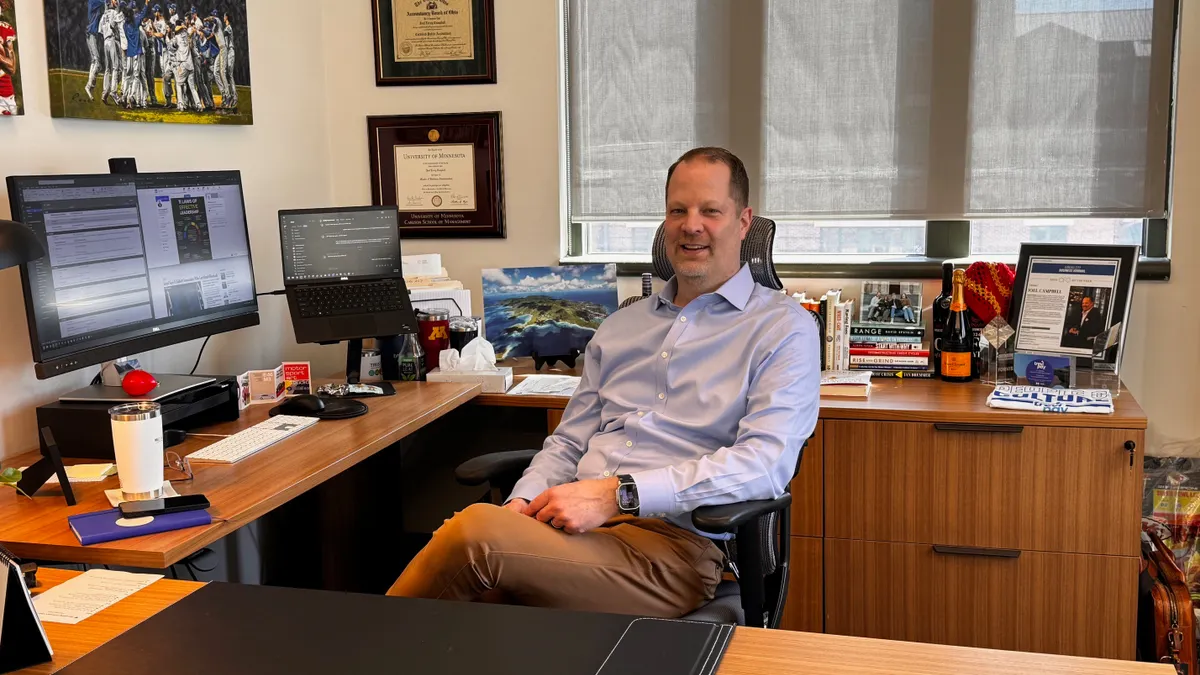
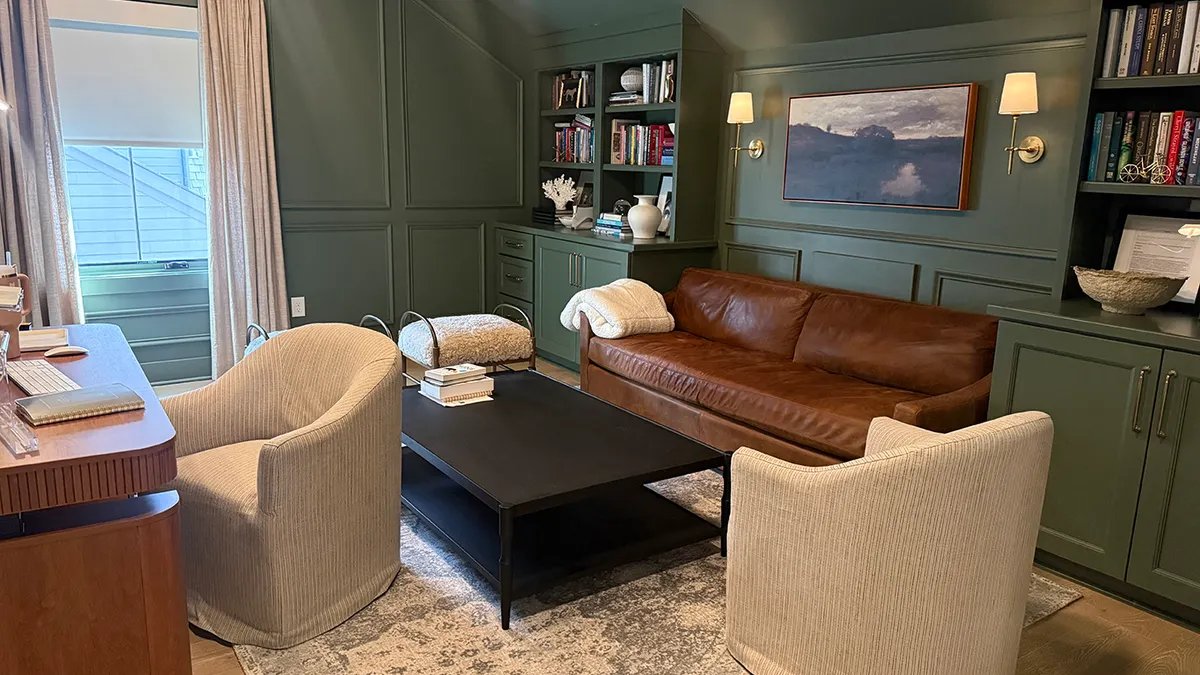
Most noteworthy items in my workspace: Books, books and more books. Many of them fed past walkaways. They are a reminder that the job is not just managing numbers. It is managing judgment. Judgment sharpens when you keep learning.
Favorite app on my phone that is not related to business: Whoop. I genuinely enjoy evaluating the data. It keeps me honest about sleep, recovery and strain. The feedback loop is immediate and unemotional. It reinforces that performance, whether physical or professional, is cumulative.